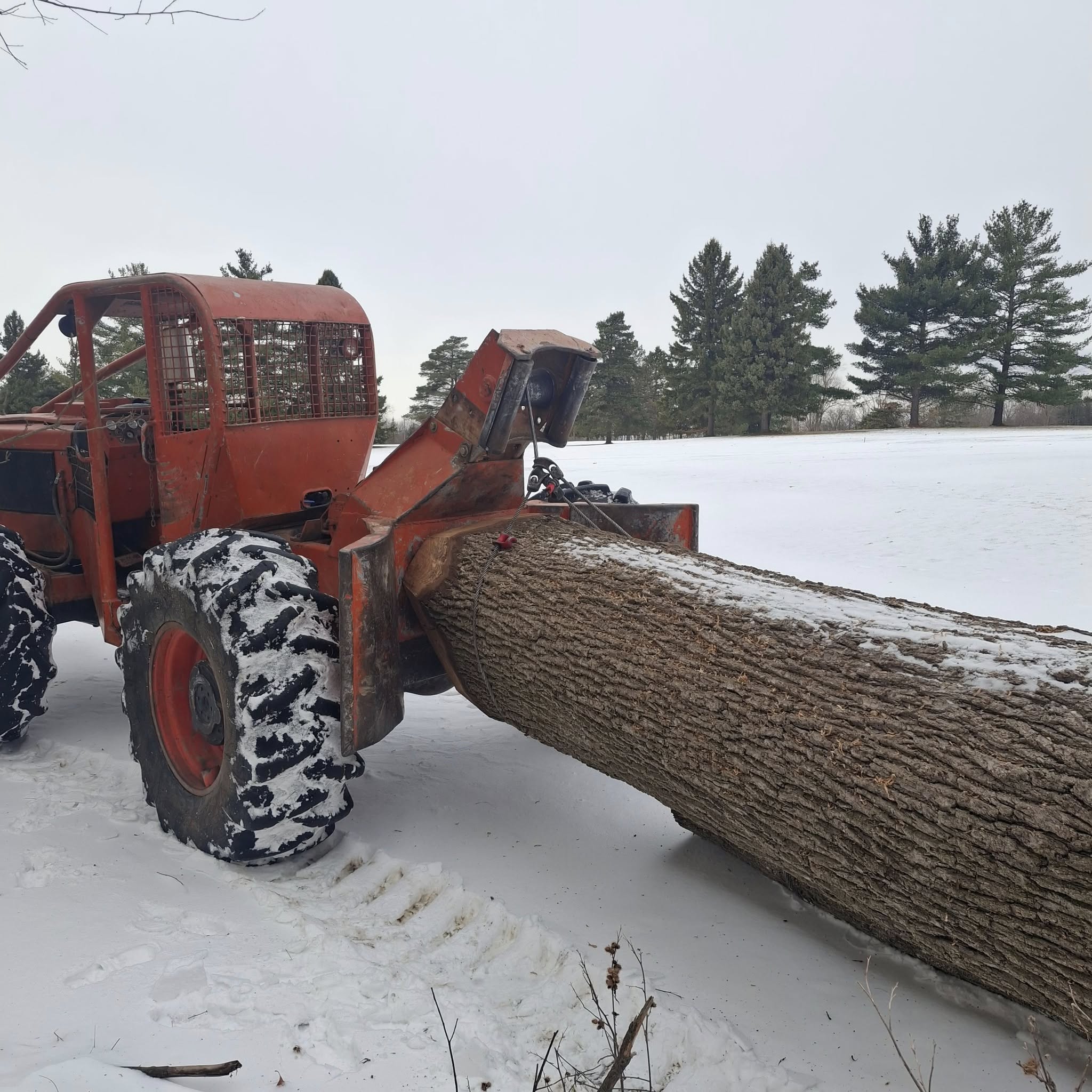
Woodland Wisdom: Strategic Timber Management Insights from God's Country Mar 10, 2026
Timber management is an intricate field that combines science, art, and business strategy. At its core is the need for sustainable practices ensuring that your woodland thrives for generations. Sustainable management not only benefits the environment but also enhances the economic value of your timberland. This practice involves careful planning and monitoring to ensure that your forest grows healthily while meeting your economic objectives.
An effective timber management plan begins with a comprehensive assessment of your woodland. This includes evaluating the types of trees present, their age, health, and the overall biodiversity of the area. God's Country Timber Management provides expert assessments that offer deeper insights into your forest's current condition and its potential for growth. Utilizing advanced techniques and knowledge, they can help you develop a strategic plan tailored to your woodland's unique characteristics.
Once the initial assessment is complete, the next step involves setting clear objectives. Whether your priority is maximizing revenue, enhancing wildlife habitat, or promoting recreational use, clearly defined goals are essential. God's Country Timber Management aids in aligning your goals with practical steps and industry-best practices, ensuring your strategies are both economically viable and environmentally responsible.
Harvesting is a crucial aspect of timber management, but it requires thoughtful planning and execution. Implementing a well-planned harvesting schedule not only maximizes timber yield but also ensures minimal ecological impact. Techniques such as selective harvesting can help maintain a balance by removing certain trees while allowing others to mature, thus sustaining the forest's overall health and productivity.
In addition to harvesting, maintaining the health of your forest is paramount. This involves protecting your timberland from pests, diseases, and severe weather conditions. Regular monitoring and timely interventions are vital to prevent small problems from escalating into costly setbacks. Partnering with a knowledgeable team like God's Country can provide continuous support and actionable insights to keep your forest resilient over time.
Preservation of wildlife and biodiversity should also form part of your management strategy. A diverse ecosystem not only supports wildlife but also contributes to a robust and thriving forest. Encouraging the presence of various plant and animal species can help maintain a natural balance, providing mutual benefits between the landowners and the environment.
As you navigate the complexities of timber management, remember that continuous learning and adaptation are key. The forestry industry evolves, with new techniques and technologies emerging regularly. Staying informed through professional consultations, workshops, and literature can keep you ahead of the curve.
God's Country Timber Management believes in empowering landowners with the knowledge and tools necessary for successful timber management. Their team is dedicated to providing guidance that respects both your personal goals and environmental sustainability.
In conclusion, strategic timber management requires a blend of foresight, expertise, and commitment to sustainability. By partnering with experts from God's Country Timber Management, you can ensure that your woodland not only meets your goals but also thrives for future generations. Embrace these practices today for a healthier, more productive tomorrow for your timberland.
/filters:no_upscale()/filters:format(webp)/media/12fc283b-f6ad-47df-976e-8d485a2d4d77.jpg)