Timber Tactics: Effective Management Techniques for Thriving Forests Apr 23, 2026
At the foundation of any successful timber management plan is the assessment of forest resources. Understanding the species composition, age classes, and health of the timber is essential. This information helps foresters make informed decisions about which trees to harvest and which to leave to grow, ensuring the forest's long-term sustainability. For God's Country Timber Management, this assessment often involves advanced mapping technologies and software, which allow for precise analysis and projection of forest growth.
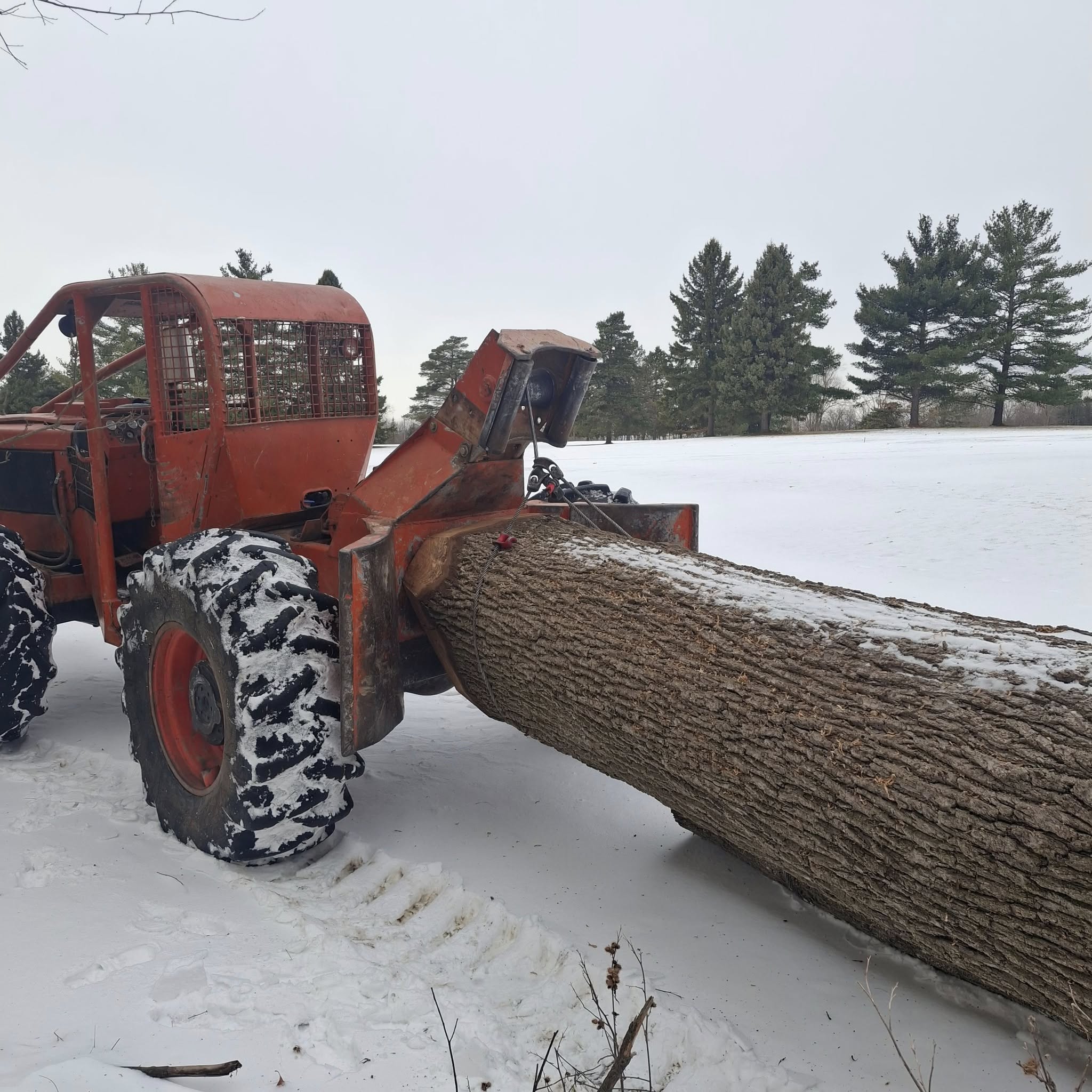
Selective logging is a technique that can significantly enhance forest health. Unlike clear-cutting, which removes most or all trees in an area, selective logging involves carefully choosing specific trees for harvest. This practice maintains the forest structure, providing continued habitat for wildlife and promoting biodiversity. Selective logging is particularly effective in mature forests where the removal of specific trees allows sunlight to reach the forest floor, encouraging the growth of new seedlings.
Another vital aspect is reforestation, which is planting new trees to replace those that have been harvested. This is an ongoing process at God's Country Timber Management, ensuring that our forests produce timber sustainably for future generations. Reforestation efforts focus on planting a mix of native species which are more resilient to pests, diseases, and climate change than monocultures.
Sustainable thinning techniques are also part of effective timber management. Overcrowded forests can be vulnerable to disease outbreaks and wildfires. By strategically thinning areas where trees grow too densely, foresters can reduce competition for resources, improving tree growth and forest health. This method also lowers the risk of catastrophic wildfires, a growing concern with climate change.
Another crucial element in sustainable timber management involves protecting water resources within a forest. Streams, rivers, and wetlands are lifelines for biodiversity and need careful consideration in any management plan. Riparian buffers, areas of vegetation near waterways, are preserved and sometimes expanded to filter runoff and provide habitat for wildlife. God's Country Timber Management emphasizes these areas' protection as part of our commitment to a holistic management approach.
Finally, effective timber management also includes monitoring and adapting to changes in the forest environment. Regular field inspections and the use of remote sensing technology help foresters understand how management techniques impact the forest and make necessary adjustments. This adaptive management approach ensures that our practices are always aligned with the latest scientific findings and environmental conditions.
In conclusion, effective timber management is about more than just harvesting trees. It's about understanding and interacting with the complex ecosystems that comprise our forests. By employing a combination of techniques like selective logging, reforestation, thinning, water protection, and adaptive management, God's Country Timber Management stands at the forefront of promoting forest health and sustainability. Our approach not only supports the timber industry but also plays a crucial role in preserving these natural landscapes for future generations. By continuing to evolve our practices, we ensure that our forests remain a thriving and sustainable resource for all.
/filters:no_upscale()/filters:format(webp)/media/12fc283b-f6ad-47df-976e-8d485a2d4d77.jpg)