Sustainable Forestry: Balancing Conservation and Profitability Feb 16, 2026
Forestry sustainability involves practices that maintain and enhance the long-term health of forest ecosystems. The conventional image of forestry operations often involves clear-cutting and resource depletion. However, sustainable forestry aims to protect biodiversity, water quality, and soil health while maintaining the forest's ability to continue providing resources. At God's Country Timber Management, we utilize advanced techniques and practices that promote the regeneration and growth of forest species, ensuring a healthy and thriving ecosystem for future generations.
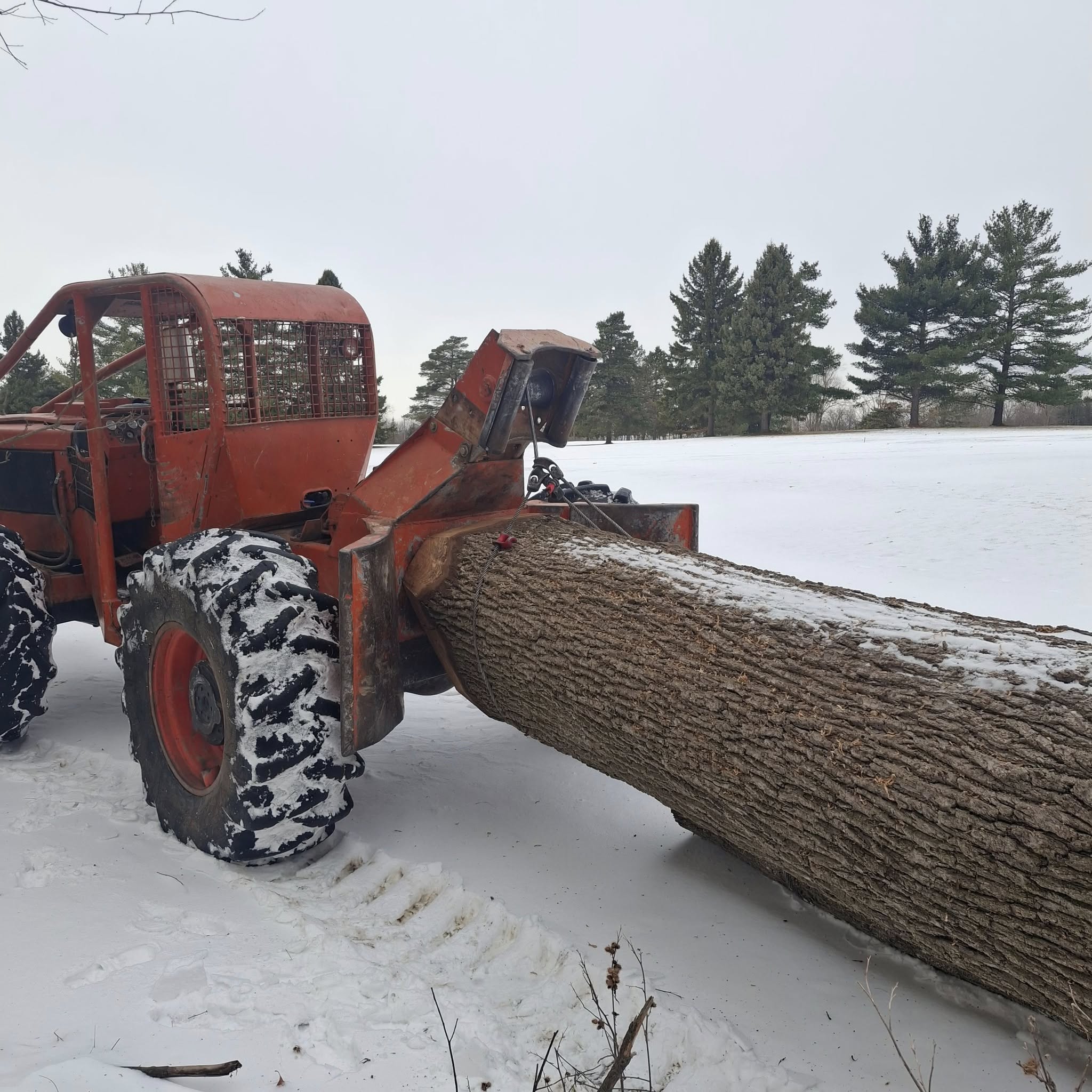
One of the core principles of sustainable forestry is responsible harvesting. This involves selective logging, which strategically removes certain trees to improve forest health, rather than clear-cutting large swathes of land. By only targeting mature trees and leaving younger growth intact, we encourage a diverse age structure in forest habitats, which is critical for maintaining ecological balance.
Moreover, comprehensive forest management planning is essential to sustainable practices. This includes setting long-term goals, conducting regular assessments, and adjusting management practices as needed. At God's Country Timber Management, we employ multidisciplinary strategies that include biological assessments and scientific monitoring to optimize both productivity and environmental protection. By closely monitoring the health of the forest, we are able to implement interventions that maximize natural resilience against pests, diseases, and fire hazards.
Community involvement also plays a significant role in sustainable forestry. Engaging with local communities and stakeholders ensures that forestry operations are aligned with the needs and values of those who rely on the forest. Collaborative management approaches can lead to shared benefits, increased awareness, and enhanced stewardship of local resources. God's Country Timber Management prioritizes strong relationships with community members, advocating for education and participation to create a symbiotic relationship between forestry operations and community needs.
Economically, sustainable forestry practices are proving to be beneficial in the long term. By maintaining healthy forests, timber management companies can ensure a steady supply of quality resources, thus stabilizing market prices and minimizing volatility. Additionally, by protecting the ecosystem services that forests provide—such as clean water and carbon sequestration—companies avoid costs associated with environmental degradation.
To further bolster economic outcomes, God's Country Timber Management is exploring the diversification of forest products. By expanding into non-timber forest products, such as mushrooms, berries, and medicinal plants, we can enhance the profitability of forestry without compromising ecological integrity. This approach not only generates additional revenue streams but also minimizes the ecological footprint of traditional timber operations.
In conclusion, sustainable forestry is about more than environmental responsibility; it is about creating a viable and profitable future for the timber industry. At God's Country Timber Management, we are committed to pioneering practices that balance conservation with economic gain, ensuring the longevity and vitality of our forest resources. By prioritizing sustainability, we are not just safeguarding the environment, but investing in the future of our industry and communities. Through careful planning and responsible management, we can achieve a harmonious coexistence between nature and economic development.
/filters:no_upscale()/filters:format(webp)/media/12fc283b-f6ad-47df-976e-8d485a2d4d77.jpg)