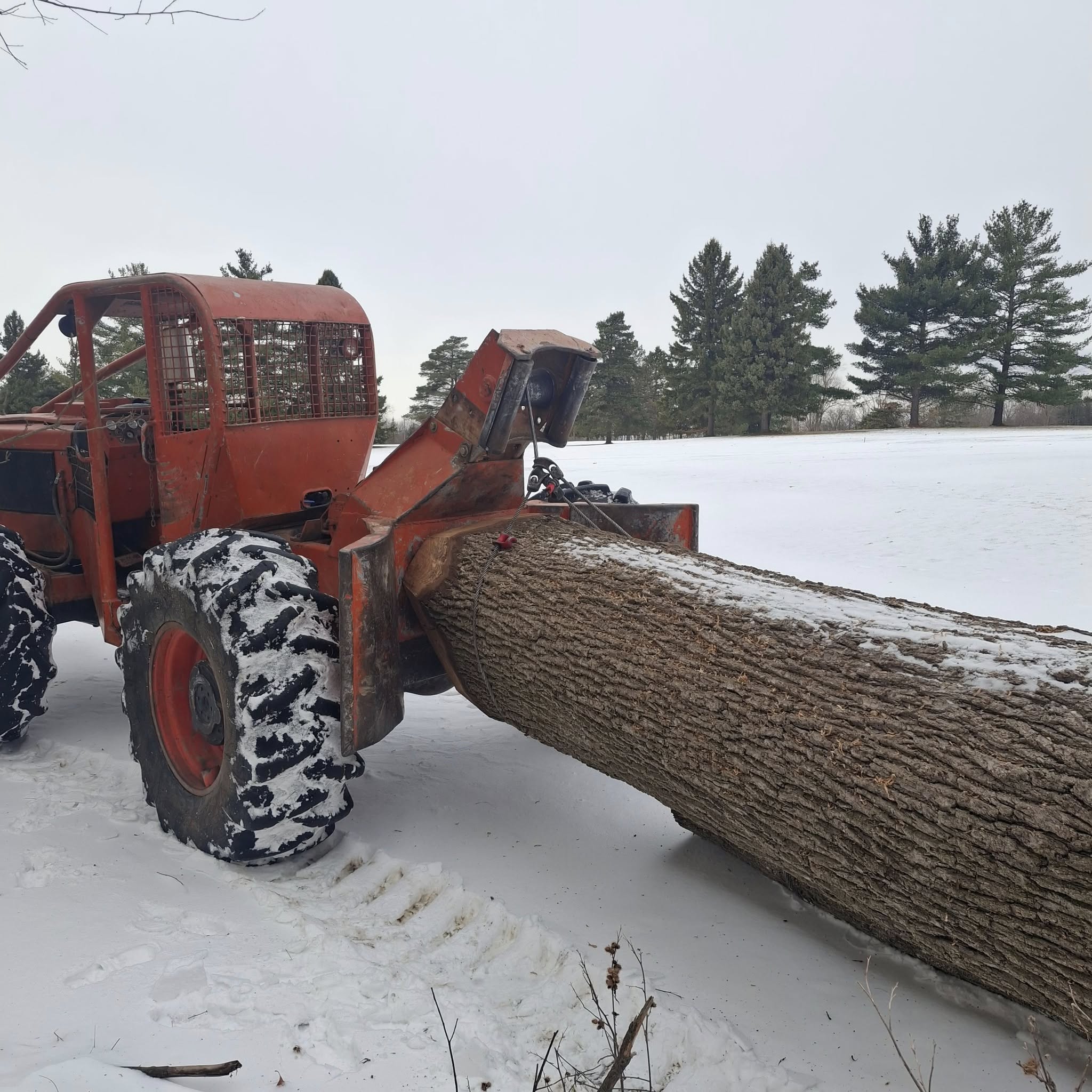
Strategic Sustainability: Advanced Forest Management by God's Country Jun 18, 2026
Sustainable forest management is not just about maintaining the beauty of nature; it's a comprehensive approach that encompasses ecological health, economic viability, and social responsibility. God's Country Timber Management leads the charge by implementing advanced techniques that ensure forests are not merely resources but thriving ecosystems with a future.
One of the foundational principles of sustainable forestry employed by God's Country Timber Management is selective logging. Unlike clear-cutting, this method involves the careful selection and harvesting of trees, which minimizes ecological disruption and promotes natural regeneration. Selective logging is crucial in maintaining biodiversity, ensuring that the natural habitat of countless species remains intact.
Moreover, God's Country Timber Management places significant emphasis on reforestation. For every tree harvested, multiple replacements are planted, which not only restores but enhances the forest's vitality. This activity also plays a crucial role in carbon sequestration, as trees absorb carbon dioxide, helping to mitigate climate change.
Innovation in forest management is another area where God's Country shines. The use of technology, such as Geographic Information Systems (GIS) and drones, ensures that the health of the forest is monitored with precision. These tools allow for real-time data collection and analysis, helping forest mangers make informed decisions that align with their sustainability goals. This tech-savvy approach ensures that forests are not just managed, but are resilient to future challenges.
Community engagement is equally important in God's Country's management practices. They understand that the long-term success of any environmental initiative depends on the active involvement of local communities. By providing employment opportunities and involving residents in decision-making processes, God's Country fosters a community-oriented approach to forest stewardship.
Education and awareness are also at the forefront of God's Country's sustainability practices. By raising awareness about the importance of forests and responsible management, they empower communities to become proactive stewards of their environment. Workshops, seminars, and community events serve as platforms for spreading this crucial knowledge.
While economic gains are an undeniable aspect of timber management, God's Country Timber Management strikes a balance by integrating ethical considerations into their forestry operations. This holistic approach ensures that their business remains not only profitable but also a model of sustainability.
The journey towards strategic sustainability in forest management demands commitment and innovation. God's Country Timber Management exemplifies how advanced techniques, community involvement, and environmental foresight can go hand in hand. By nurturing our forests with care, they ensure that these natural reserves continue to thrive, providing ecological, economic, and social benefits for future generations.
In conclusion, responsible forest management is much more than a responsibility—it's a legacy. Through strategic sustainability, God's Country Timber Management is laying down the foundation for a future where forests are abundant, healthy, and forever valuable. Their efforts showcase a pathway that others in the industry would do well to follow, ensuring that our earth's green mantle is safeguarded for tomorrow.
/filters:no_upscale()/filters:format(webp)/media/12fc283b-f6ad-47df-976e-8d485a2d4d77.jpg)