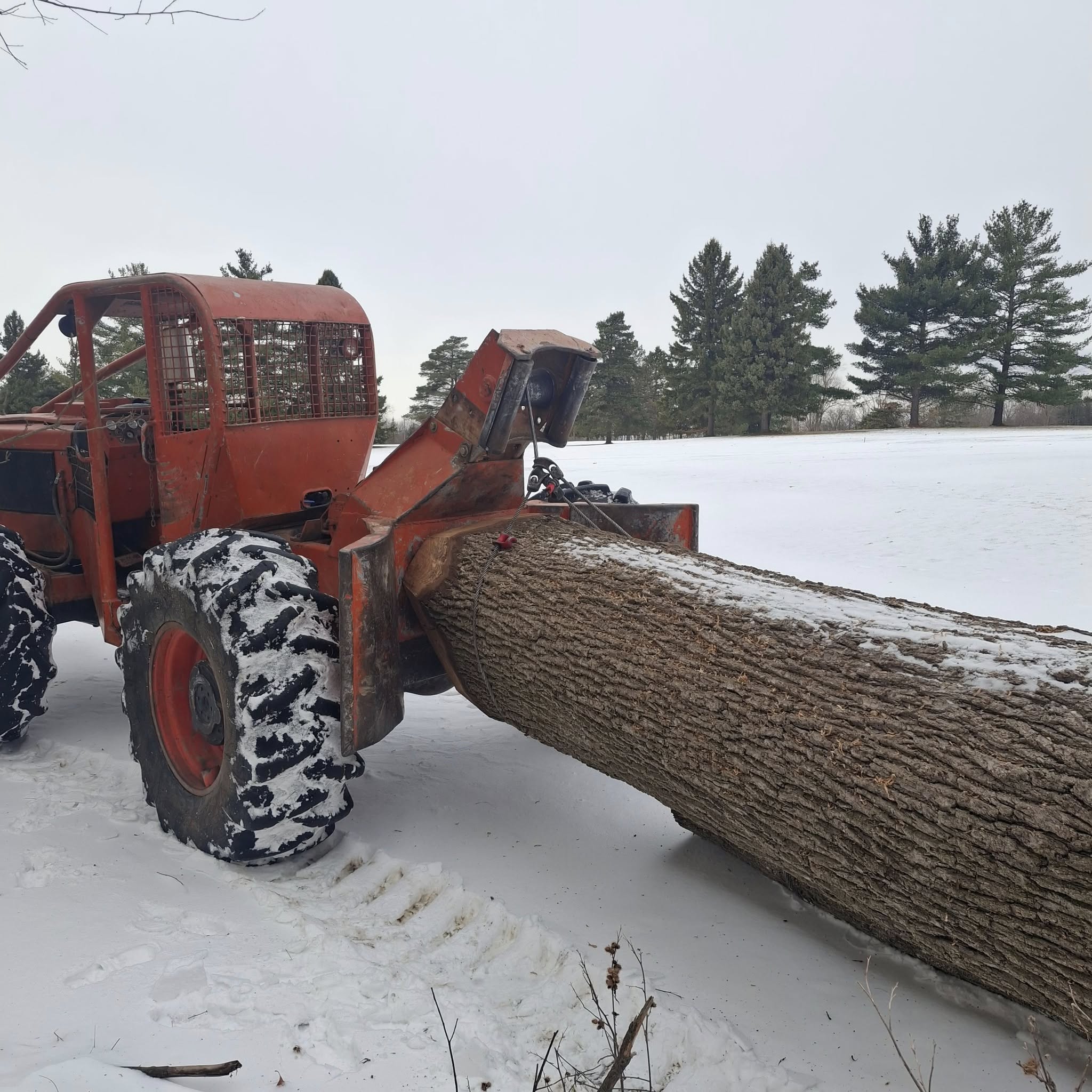
Revitalizing Timberland: Innovative Approaches to Forest Regeneration Jul 01, 2026
Forest regeneration is a foundational aspect of timber management, emphasizing the restoration of harvested or disturbed lands. It ensures future timber supply and supports biodiversity and habitat preservation. Traditional methods have given way to innovative strategies that prioritize ecological balance and sustainability. God's Country Timber Management is at the forefront, implementing cutting-edge techniques to revitalize timberland effectively.
One innovative approach is selective logging, which contrasts with clear-cutting by removing only mature and diseased trees. This method maintains canopy cover, supporting biodiversity by preserving a variety of tree species. Additionally, it aids in the regeneration of understory plants, which are crucial for wildlife habitat. God's Country Timber Management emphasizes selective logging to align with conservation goals while promoting a continuous supply of timber.
Another transformative strategy is the application of assisted natural regeneration. This approach harnesses the power of nature to foster regrowth by protecting existing seedlings and mother trees. By reducing competition from invasive species and optimizing conditions for young trees, assisted regeneration can accelerate the recovery of a forest without the extensive use of artificial planting. This method is cost-effective and aligns with natural forest dynamics.
In tandem with these methods, God's Country Timber Management employs the use of drones and remote sensing technology. These tools allow for precise monitoring of forest conditions, enabling timely interventions. By analyzing data collected through aerial surveys, they can make informed decisions regarding pest control, disease management, and the optimal timing of thinning operations. This technological integration ensures that timberland remains healthy and productive, while mitigating environmental impacts.
Planting genetically improved seedlings is another innovative approach gaining traction. These seedlings are developed to be disease-resistant and faster-growing, helping to ensure the forest's resilience to future challenges. This approach not only enhances timber yield but also contributes to carbon sequestration efforts, a critical component in combating climate change.
A crucial element of successful timberland management is community involvement and education. God's Country Timber Management collaborates with local stakeholders to promote sustainable practices and increase awareness about the importance of forest health. By fostering community engagement, they ensure that regeneration efforts are not only scientifically sound but also socially supported.
By adopting these innovative strategies, landowners working with God's Country Timber Management can ensure that their timberland is robust and sustainable for generations to come. These practices highlight the balance between harvesting and regeneration, ensuring that forests fulfill their ecological roles while providing economic benefits.
In conclusion, revitalizing timberland with innovative approaches requires a commitment to sustainable practices and the integration of new technologies. God's Country Timber Management exemplifies this commitment, offering a model for effective forest regeneration. Landowners are encouraged to adopt these strategies, ensuring their timberland contributes to ecological health, community well-being, and economic vitality. With conscious management, forests can continue to thrive, benefiting our planet and future generations.
/filters:no_upscale()/filters:format(webp)/media/12fc283b-f6ad-47df-976e-8d485a2d4d77.jpg)