Optimizing Timber Resources: Expert Insights for Sustainable Development Jun 20, 2026
To begin understanding the principles involved, one must look at the balance between yield and conservation. Sustainable timber management involves carefully orchestrating the growth, harvest, and regrowth of trees to avoid depletion of resources. This means assessing and planning around the growth cycles of various species, the rate of regrowth compared to harvesting, and the needs of the ecosystem.
At the core of optimizing timber resources lies a thorough inventory. God's Country Timber Management employs advanced technology to map and assess the forest landscape meticulously. This includes evaluating the density of tree coverage, species distribution, and tree health. By doing this, management can make informed decisions on how and when to harvest, ensuring that the least amount of disruption occurs to the forest's natural state.
An integral part of this process is the adoption of selective logging practices. Unlike clear-cutting, which involves removing large swathes of forest, selective logging targets specific trees, allowing the surrounding trees to thrive and continue their natural development. This minimizes environmental impact, preserves biodiversity, and enhances forest regeneration. It reflects a more nuanced approach that aligns with both market demands and ecological considerations.
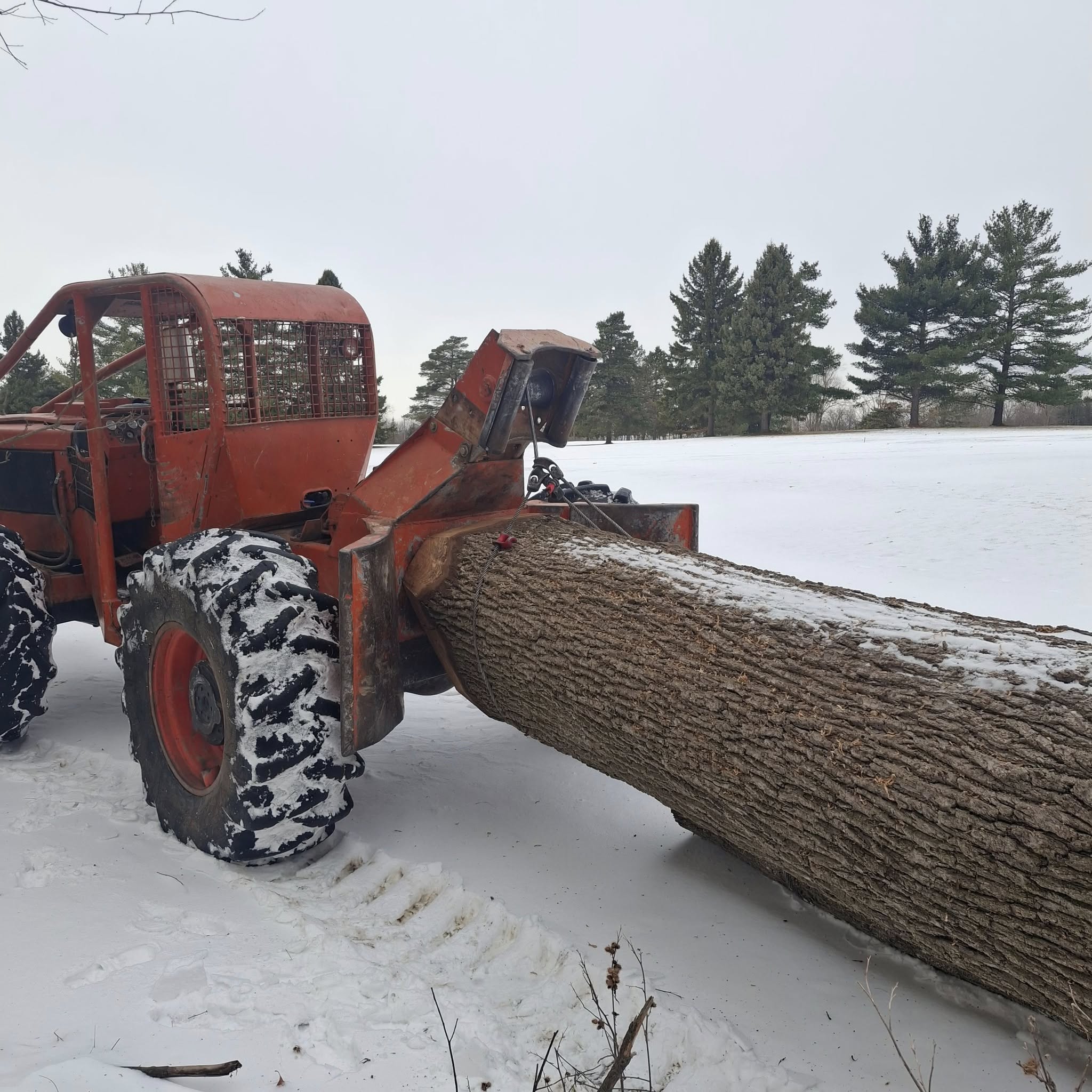
Soil management also plays a significant role in sustainable timber production. Healthy soil is the bedrock of robust timber growth. Methods such as reducing soil compaction from heavy machinery, especially during wet conditions, and implementing erosion control measures are key to maintaining the vitality of timberlands. Mulching and leaving some organic matter on the forest floor can enrich the soil, promoting healthier tree growth.
Reforestation is an essential complement to harvest activities. God's Country Timber Management upholds reforestation as a central tenet of its operations, ensuring every tree removed is replaced, guaranteeing ecosystem continuity. This practice not only supports wildlife habitats but also contributes to carbon sequestration efforts, an increasingly critical function given global climate change concerns.
Community involvement and education are also pivotal components in sustainable timber management. By engaging with local communities, God's Country Timber Management fosters a broader understanding and support for sustainable practices. They offer educational programs that highlight the importance of sustainable forestry to the local economy and the environment, encouraging community members to participate and benefit from these approaches.
In conclusion, optimizing timber resources through sustainable practices involves a delicate balance of ecological and economic interests. Companies like God's Country Timber Management strive to implement strategic, responsible forestry practices that ensure the long-term viability of our forest ecosystems. By prioritizing sustainability, using advanced technology, and engaging with local communities, they not only contribute to a healthier planet but also pave the way for future generations to enjoy and benefit from these natural resources. As individuals and communities become more aware of their environmental impact, the role of sustainable timber management becomes more crucial than ever.
/filters:no_upscale()/filters:format(webp)/media/12fc283b-f6ad-47df-976e-8d485a2d4d77.jpg)