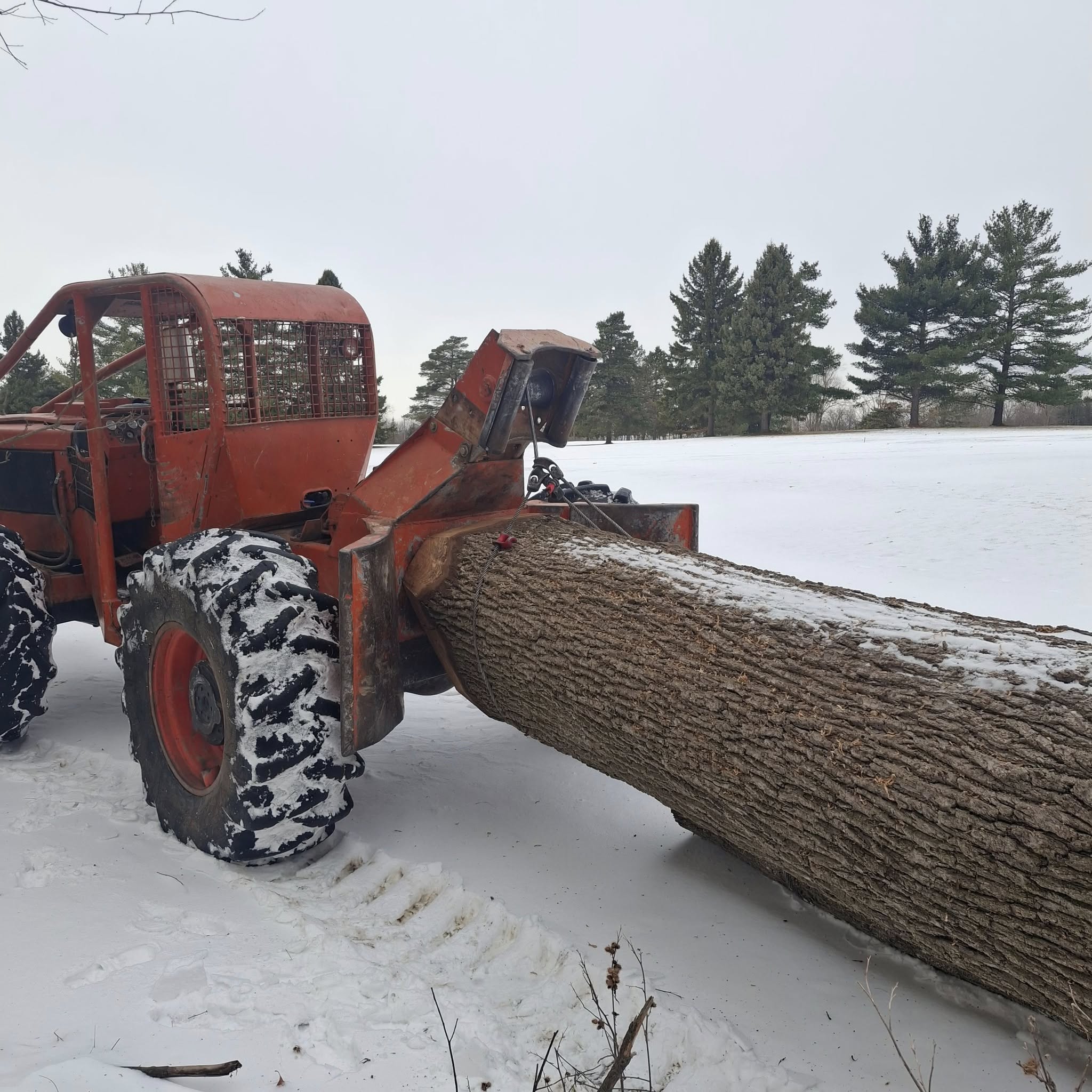
Innovative Practices in Timber Management for a Greener Future Feb 09, 2026
Embracing sustainable timber management requires an approach grounded in environmental stewardship. One of the most transformative innovations is precision forestry, utilizing technology to optimize the growth and yield of forests. By employing drones, GPS, and LIDAR technology, timber managers at God’s Country Timber Management can gather comprehensive data on forest health and structure. This information aids in making informed decisions about harvesting and replanting, ensuring a continuous cycle of growth and renewal.
Reforestation plays a crucial role in sustainable management, minimizing the impact of logging on ecosystems. At God’s Country Timber Management, we implement selective logging techniques, carefully choosing trees to harvest while avoiding collateral damage to the surrounding environment. This method allows for the preservation of biodiversity, enabling forests to recover more rapidly and maintain ecological balance. Replanting native species further supports this effort, promoting a resilient and diverse forest ecosystem.
Carbon sequestration is another significant benefit of sustainable timber management. Forests that are managed responsibly act as carbon sinks, absorbing more CO2 than they emit, thus playing a vital role in mitigating climate change. God's Country Timber Management employs practices that maximize carbon capture, such as maintaining a diversity of tree ages and species, which enhance the forest's ability to store carbon over time.
Moreover, God's Country Timber Management is at the forefront of utilizing bioenergy as a sustainable byproduct of timber management. Debris and non-commercial trees, which are often considered waste, are converted into biofuel, reducing reliance on fossil fuels and promoting energy independence. This approach not only contributes to a cleaner environment but also provides additional revenue streams, making the timber industry more robust and adaptable.
Community engagement is another pillar of innovative timber management. By involving local communities in sustainable practices, God's Country Timber Management fosters a sense of ownership and responsibility towards forest conservation. Educational initiatives and partnerships with local organizations ensure that communities benefit from, and contribute to, sustainable forestry practices, creating a cooperative effort towards a greener future.
As we look to the future, it is clear that sustainable timber management is not just an environmental imperative but also an economic opportunity. Investing in innovative practices, such as those employed by God's Country Timber Management, ensures that forests remain productive and healthy for generations to come. These practices enhance biodiversity, improve carbon capture, and create sustainable economic opportunities, exemplifying a commitment to both the planet and prosperity.
In conclusion, the journey towards sustainable timber management is a collective responsibility that requires innovation, dedication, and cooperation. By embracing cutting-edge technologies, engaging communities, and prioritizing environmental health, God's Country Timber Management is leading the way in sustainable forestry. As stewards of the land, the responsibility to preserve and enhance our natural resources is a commitment that paves the way for a greener, more sustainable future. The actions we take today will define the landscapes of tomorrow, and through innovative timber management, we can ensure that future generations inherit a thriving world.
/filters:no_upscale()/filters:format(webp)/media/12fc283b-f6ad-47df-976e-8d485a2d4d77.jpg)