Green Growth: How God's Country Timber Management Cultivates Eco-Friendly Practices Jun 21, 2026
The importance of sustainable timber management cannot be overstated. Traditional forestry methods often focus on short-term gains, leading to deforestation and habitat destruction. However, God's Country Timber Management is challenging this narrative by prioritizing the long-term health of forests. This not only benefits the environment but also supports local economies reliant on forestry.
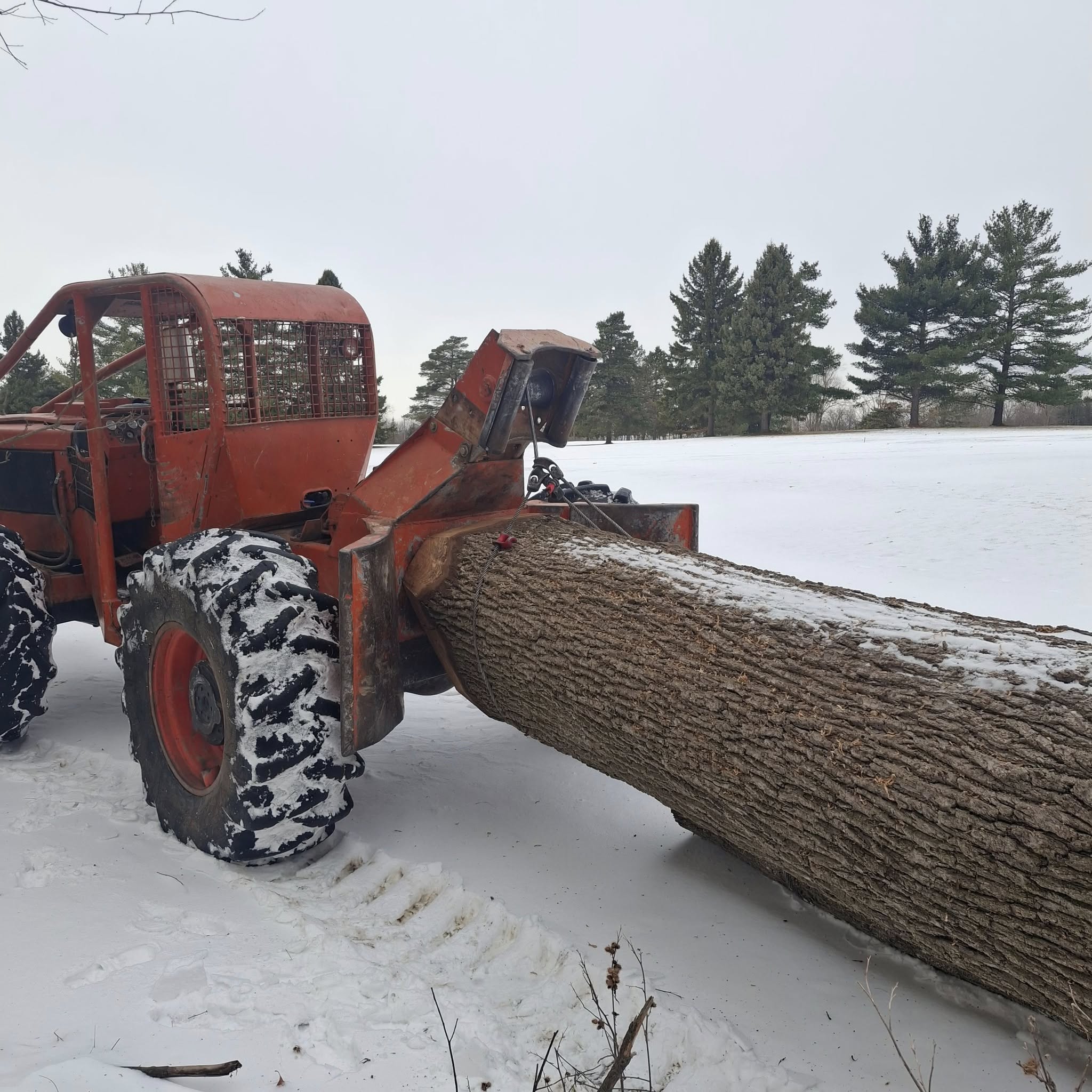
At the heart of God's Country Timber Management's eco-friendly approach is their commitment to selective logging. This method involves carefully selecting certain trees for harvesting, rather than clear-cutting large areas. This practice ensures the forest's canopy remains intact, preserving biodiversity and preventing soil erosion. Selective logging also allows for faster forest regeneration, promoting a healthier ecosystem.
One of the core principles at God's Country Timber Management is the rehabilitation of harvested areas. After timber is extracted, restoration efforts are immediately implemented. This includes replanting native tree species and removing invasive plants that might hinder natural growth. Such proactive rehabilitation ensures that the forest can thrive once again, maintaining its ecological balance.
Water conservation is another critical aspect of their sustainable forestry model. Forests play a vital role in maintaining the Earth's water cycles, and improper timber harvesting can disrupt these systems. God's Country Timber Management employs techniques that prevent pollution and sediment from entering nearby water bodies, thus preserving aquatic habitats and the overall health of the ecosystem.
Community involvement is a cornerstone of God's Country Timber Management's operations. They collaborate closely with local stakeholders, ensuring that their forestry practices align with community needs and values. By fostering these relationships, they are not only supporting local economies but also promoting environmental stewardship among residents. This approach encourages a community-wide commitment to sustainable practices, multiplying the positive impact of their efforts.
In addition to these methods, implementing the latest technology and research is crucial for God's Country Timber Management's success. They regularly invest in new technologies that enhance sustainability, from drones for surveying to software that predicts optimal harvest times. Staying at the forefront of innovation allows them to continually improve their practices and set higher standards for the timber management industry.
God's Country Timber Management also prioritizes transparency and accountability. They ensure all their practices comply with international environmental standards and certifications, providing clients and stakeholders with confidence in their operations. This commitment to accountability helps build trust and reinforces their reputation as a leader in sustainable timber management.
In conclusion, God's Country Timber Management is reshaping how the timber industry approaches environmental responsibility. Through selective logging, effective rehabilitation, water conservation, community engagement, and embracing technology, they demonstrate that sustainability and profitability can go hand in hand. By choosing eco-friendly practices, God's Country Timber Management not only contributes to a healthier planet but also offers a model for others in the industry to follow. As more companies adopt these practices, the future of forestry is bound to be a better one—for both the environment and the industries relying on it.
/filters:no_upscale()/filters:format(webp)/media/12fc283b-f6ad-47df-976e-8d485a2d4d77.jpg)