Cultivating Biodiversity: The Role of Timber Management in Ecosystem Prosperity Apr 12, 2026
Biodiversity, the variety of life found within ecosystems, enhances stability and resilience in natural environments. From the smallest insects to towering trees, each species plays a part in maintaining ecological equilibrium. Unfortunately, these complex networks often face pressures from human activities, resulting in fragmented habitats and diminished species diversity. Timber management steps in as a responsible practice that connects economic forestry with ecological mindfulness, forging pathways to rehabilitated and prosperous landscapes.
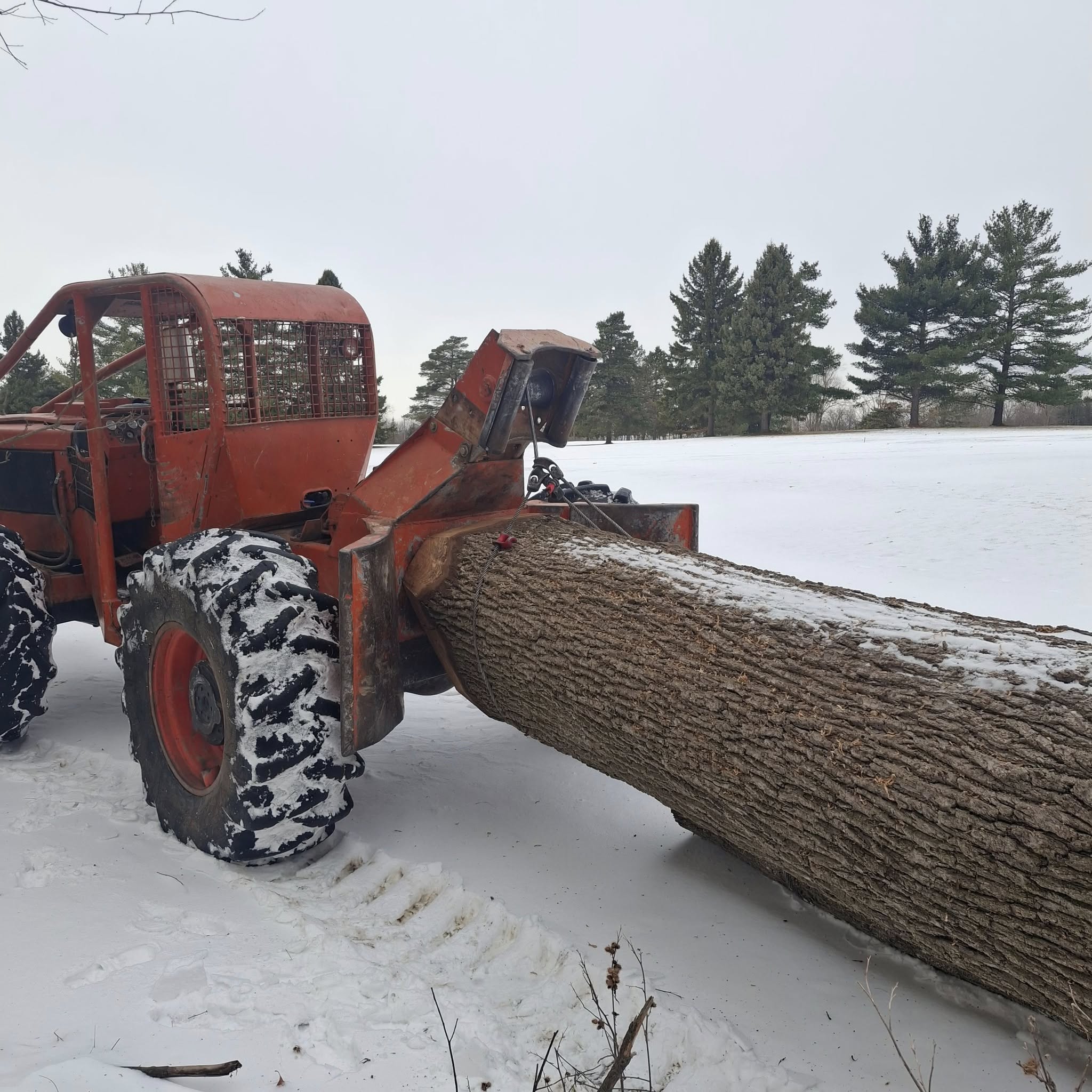
The core objective of timber management is to employ strategies that sustain and enrich forest ecosystems. Firstly, it involves meticulous planning and execution of selective harvesting, which minimizes environmental impact. By carefully choosing which trees to extract, timber managers ensure that tree species composition and density are maintained, supporting diverse habitats necessary for wildlife.
One significant method employed is the creation of buffer zones—strips of vegetation left untouched around water bodies and sensitive areas. These buffers are essential for protecting water quality and providing habitats to numerous aquatic and terrestrial species. Timber management through companies like God's Country Timber Management strategically uses buffer zones to preserve the natural water cycle, which is crucial for both plant growth and animal life.
Moreover, timber management constructs wildlife corridors—passages that connect isolated habitats, allowing species migration and gene flow. These corridors are crucial for adapting to climatic changes and movement in search of food and mates. By maintaining these natural passages, timber management ensures sustained genetic diversity, which is vital for thriving wildlife populations.
Reforestation and afforestation efforts are other critical components of timber management. By planting native species, companies stimulate growth in deforested or degraded areas, encouraging the return of flora and fauna unique to those regions. Native plants not only attract pollinators and support indigenous wildlife but also help restore soil health and prevent erosion.
Additionally, timber management companies focus on controlling invasive species, which pose a threat to local biodiversity. By actively managing these species, God's Country Timber Management protects native wildlife from displacement and ecosystem imbalance.
Education and awareness are equally important in promoting sustainable timber management practices. Engaging with local communities, landowners, and policy-makers fosters a shared responsibility toward biodiversity conservation and the sustainable use of forest resources. Through educational programs and community involvement, timber management companies nurture stewardship that extends beyond industrial interests to holistic ecological health.
In conclusion, timber management is integral to cultivating biodiversity within forest ecosystems. Through precise and conscientious practices such as selective harvesting, buffer zone establishment, wildlife corridor creation, and native species reforestation, companies like God's Country Timber Management lead the way in marrying economic forestry with ecological responsibility. As guardians of our planet's lungs, they ensure that forests not only continue to provide resources but also prosper as havens of biodiversity. By championing sustainable timber management, we commit to fostering thriving ecosystems that support a balanced and biodiverse world.
/filters:no_upscale()/filters:format(webp)/media/12fc283b-f6ad-47df-976e-8d485a2d4d77.jpg)