Conserving Timberland: Strategies for Long-Term Health and Profit Jul 06, 2026
Timber conservation starts with a strong foundation in forest management principles. It is crucial to develop a comprehensive management plan that takes into account the unique characteristics of your land. This plan should address species composition, stand dynamics, and soil health, aiming for a diversity of species to support ecosystem resilience. Strategic planning helps in identifying the best practices for timber harvesting, reforestation, and minimizing the impact of logging activities.
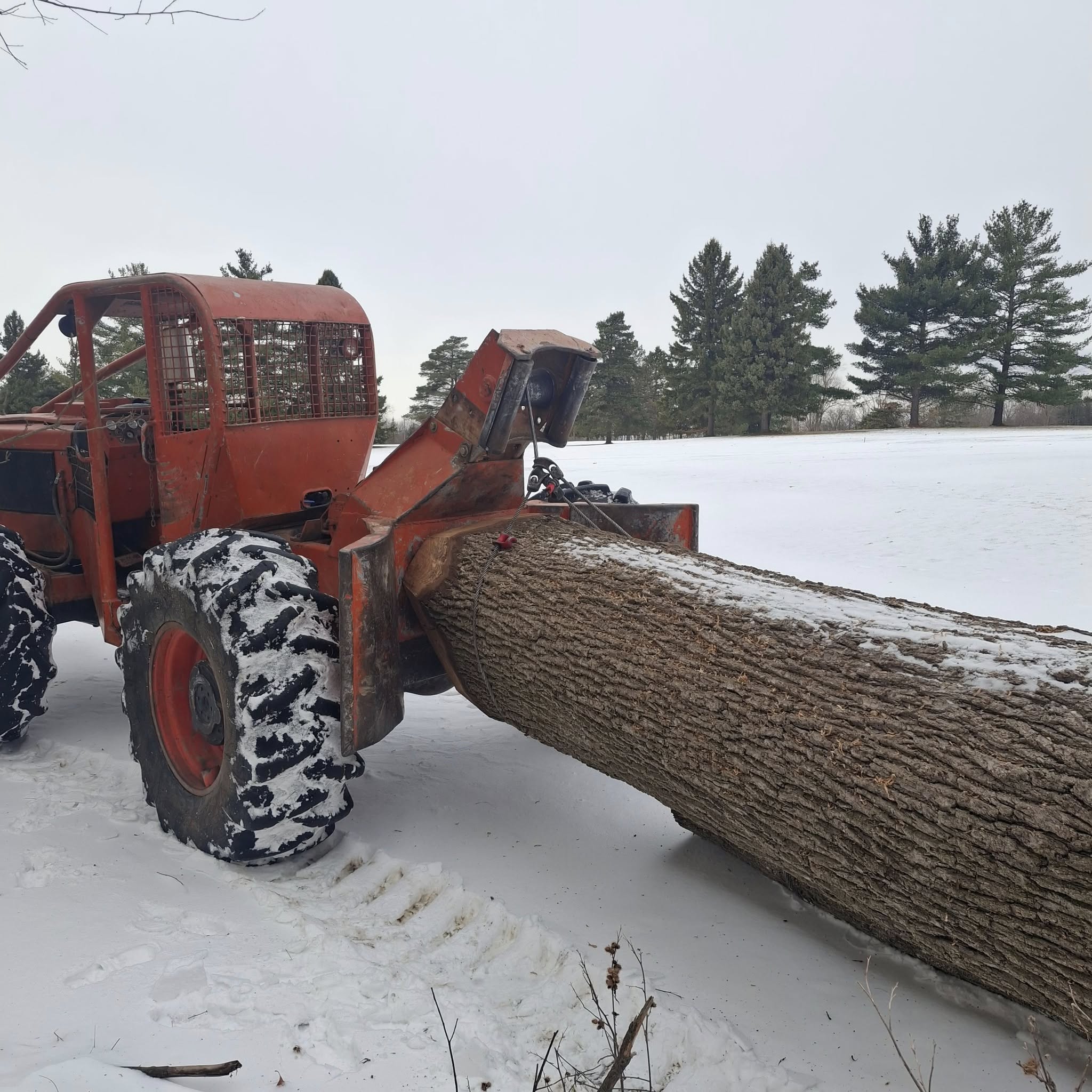
One of the most effective strategies for maintaining timberland health is sustainable harvesting. Sustainable harvesting ensures that the rate of tree removal does not exceed the forest's natural regenerative capacity. By practicing selective logging, you can focus on removing mature or diseased trees, allowing younger healthy trees to grow. This method not only promotes continuous forest growth but also helps in maintaining biodiversity and reducing soil erosion.
Another crucial aspect of timberland conservation is pest and disease management. Healthy forests are less susceptible to pests and diseases, but monitoring is still essential to catch any early signs of infestations. Implementing integrated pest management techniques can significantly reduce damage and preserve timber quality. These methods include biological controls, habitat manipulation, and mechanical removal, which are more environmentally friendly compared to traditional chemical treatments.
Fire management is another vital component of conserving timberland. While fires can play a natural role in some ecosystems by clearing underbrush and promoting new growth, uncontrolled wildfires pose significant risks. Developing a fire management plan involves creating firebreaks, maintaining clear undergrowth, and using controlled burns to reduce fuel loads. These strategies are pivotal in safeguarding the timberland from potentially destructive fires.
Investing in regular monitoring and assessment of the forest's health is essential for long-term conservation. Periodic evaluations help identify changes in stand structure, growth rates, and potential threats. Using technology like remote sensing and GIS mapping can enhance these efforts by providing detailed insights into forest conditions. This data-driven approach enables more precise decision-making, ensuring that management practices adapt to changing environmental conditions.
A vital, often-overlooked component of timber management is engaging with the local community. Community involvement not only fosters goodwill but also offers valuable insights from people who are directly connected to the land. Educational workshops and collaborative projects can lead to shared stewardship, encouraging collective efforts to protect and manage land resources effectively.
In conclusion, conserving timberland requires a multifaceted approach that balances ecological health with economic gain. By implementing sustainable harvesting, pest management, fire control, and regular monitoring, landowners can ensure their forests remain vibrant and productive. Engaging local communities further enriches conservation efforts, bringing in diverse perspectives and additional support. With God's Country Timber Management at your side, navigating the complexities of timber conservation becomes more manageable, providing confidence that your investment will thrive for generations to come.
/filters:no_upscale()/filters:format(webp)/media/12fc283b-f6ad-47df-976e-8d485a2d4d77.jpg)