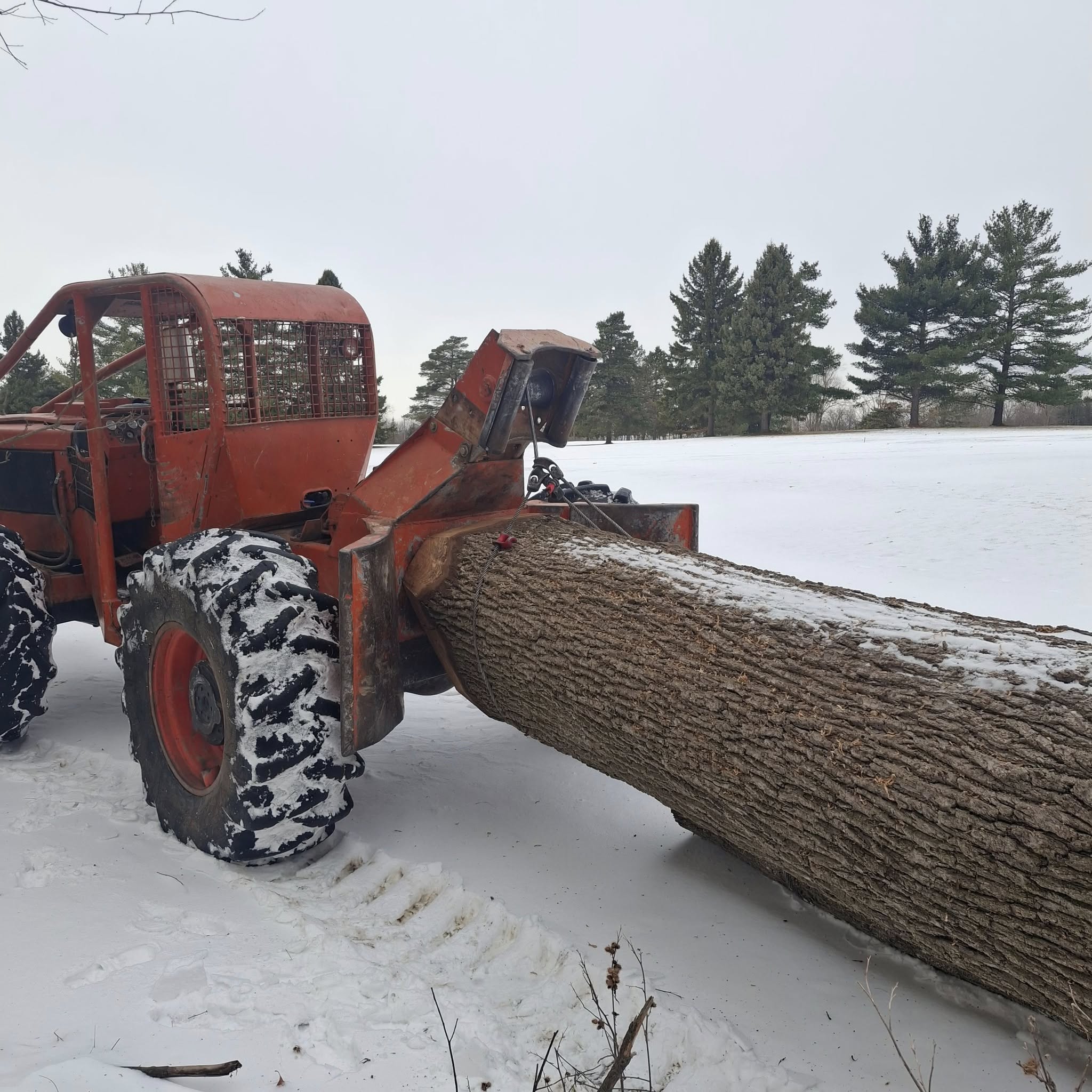
Community-Led Conservation: Collaborating with God's Country Timber Management Apr 15, 2026
Understanding the concept of community-led conservation begins with recognizing the invaluable role local communities play in managing natural resources. These communities hold traditional knowledge and a vested interest in preserving the land. God's Country Timber Management acknowledges this and partners with communities to combine their on-the-ground insights with professional expertise in timber management.
By working with God's Country Timber Management, communities are not just passive beneficiaries but active participants in the conservation process. This partnership model empowers communities to have a voice in decision-making, fostering a sense of ownership and accountability. Many community members find new roles as forest stewards, where they actively contribute to monitoring and protecting forest health. This collaborative approach ensures that conservation strategies align with local needs and values, enhancing their effectiveness and sustainability.
One of the primary benefits of community-led conservation is the balance it strikes between environmental preservation and economic incentives. For many rural communities, sustainable timber management is essential for livelihoods. By integrating sustainable practices with community objectives, God's Country Timber Management helps communities tap into economic opportunities without compromising environmental integrity. This synergy not only bolsters the local economy but also encourages practices that reduce deforestation and habitat loss.
Education and outreach are another vital component of the community-led conservation initiatives by God's Country Timber Management. The company hosts workshops and training sessions designed to educate community members about sustainable forestry practices, biodiversity conservation, and ecosystem management. These educational efforts equip residents with the knowledge to sustainably manage their forests, ensuring that benefits are long-lasting and impactful.
In addition, God's Country Timber Management has developed innovative tools and technologies to enhance conservation efforts. Utilizing cutting-edge technology such as satellite imagery and GIS mapping, communities can better monitor forest conditions in real time. These tools help identify areas vulnerable to threats like pests or illegal logging, allowing for proactive management actions.
Moreover, the collaborative conservation model nurtures a network of advocates for the environment. As community members become well-versed in sustainable practices, they often take on roles as educators and advocates, spreading the message of conservation to broader audiences. This ripple effect not only uplifts the immediate community but also inspires neighboring areas to adopt similar approaches, creating a widespread culture of conservation.
In conclusion, community-led conservation is a powerful strategy for preserving our forests and the resources they provide. Through their progressive partnership with local communities, God's Country Timber Management exemplifies how collaboration can achieve sustainable timber management that benefits both people and the environment. By fostering active participation, providing economic opportunities, and promoting education, this approach ensures that conservation efforts are impactful and enduring. This model offers a blueprint for other communities to follow, highlighting how unified efforts can shape a sustainable future. As we move forward, it is increasingly clear that the path to conservation success lies in empowering communities and working together towards common goals.
/filters:no_upscale()/filters:format(webp)/media/12fc283b-f6ad-47df-976e-8d485a2d4d77.jpg)