Building Resilient Forests: Strategies from God's Country Timber Management Mar 23, 2026
A cornerstone of building resilient forests is understanding the unique ecosystem of each woodland area. At God's Country Timber Management, our process begins with a comprehensive assessment of the forest's current condition. This includes evaluating soil quality, existing vegetation, water resources, and wildlife habitats. By identifying these critical components, we devise management plans tailored to support the specific needs and growth patterns of each forest.
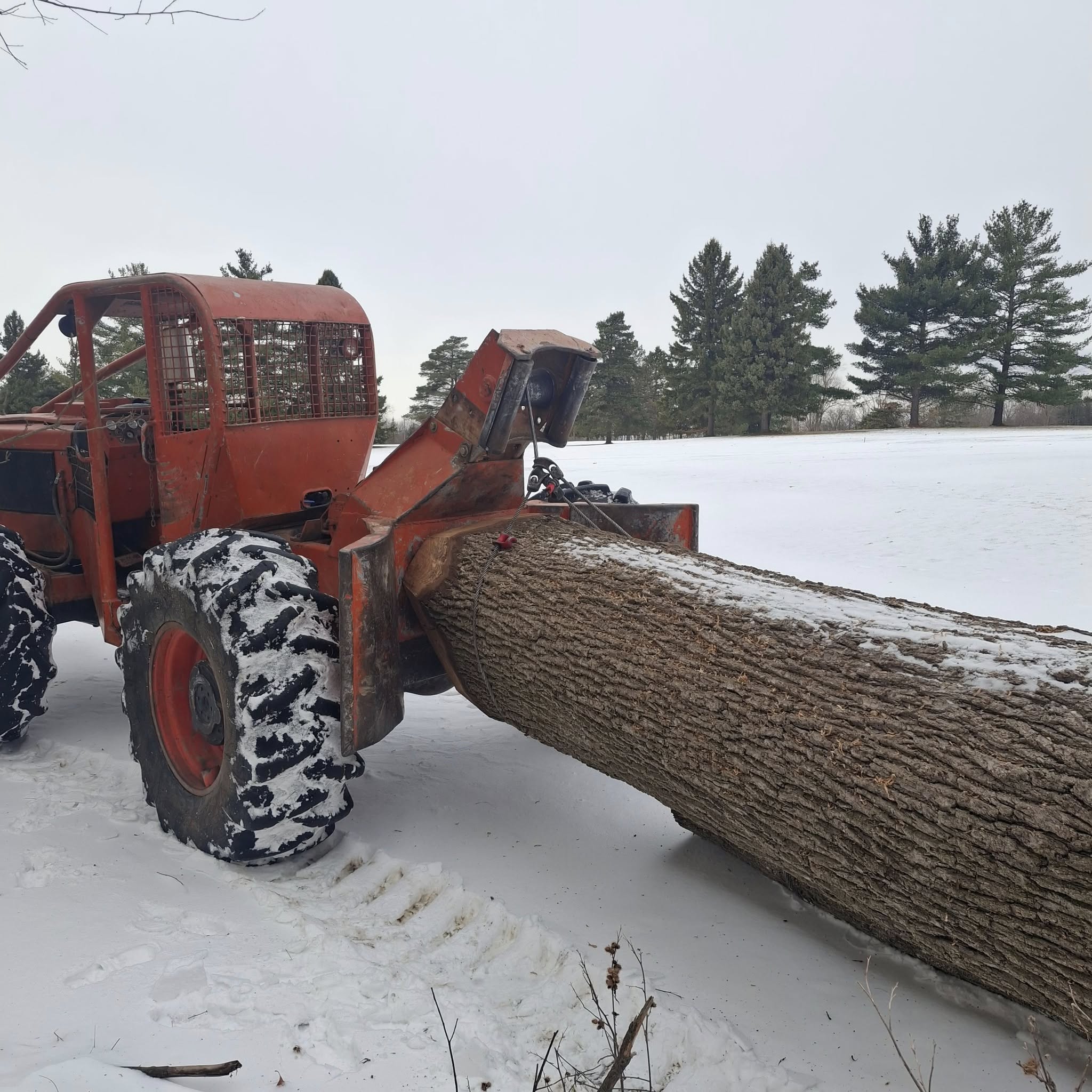
One of the key strategies in our timber management arsenal is selective harvesting. Rather than clear-cutting, which can devastate ecosystems and lead to soil erosion, selective harvesting involves carefully choosing which trees to remove. This method not only minimizes environmental impact but also promotes the growth of young trees and enhances the overall health of the forest. Maintaining a mix of tree ages and species preserves natural habitats and maintains biodiversity.
In addition to selective harvesting, we emphasize the importance of reforestation. Post-harvest, reforestation ensures that forested areas are promptly replanted with a variety of native species. This diversity helps to bolster resilience against pests and diseases while also ensuring a well-rounded habitat for wildlife. Our reforestation efforts are meticulously planned to align with the natural succession process, facilitating a seamless transition to a mature forest ecosystem.
Addressing climate change is another crucial aspect of our strategies. We incorporate climate-adaptive forest management techniques to counteract the effects of global warming. This includes increasing the diversity of tree species, as varied ecosystems are typically better equipped to withstand climatic shifts. Our efforts also include enhancing soil carbon storage capacity, which plays a vital role in sequestering atmospheric carbon dioxide, thus contributing positively to climate mitigation.
A critical component of building resilient forests is fire management. While wildfires can pose significant risks, they are also a natural part of many forest ecosystems. Through controlled burns and other fire management practices, we reduce forest fuel loads, which decreases the severity of wildfires when they occur. These controlled fires play an integral role in nutrient cycling, seed germination, and the removal of invasive species, ultimately supporting a vibrant and healthy ecosystem.
Community involvement and education are essential in fostering sustainable forests. We prioritize engaging with local communities, offering education on responsible forest management and the importance of conserving woodlands. By building partnerships and promoting sustainable practices, we empower the community to take active roles in preserving their natural surroundings.
In conclusion, the strategies employed by God's Country Timber Management are designed to maintain the delicate balance between ecological integrity and economic viability. By focusing on selective harvesting, reforestation, climate adaptation, and responsible fire management, we ensure that our forests remain robust and flourishing for generations to come. Our commitment to sustainable management not only protects our valuable timber resources but also promotes a healthy and resilient forest ecosystem that benefits all forms of life connected to it. Embrace these strategies and join us in the mission to nurture our forests and safeguard our future.
/filters:no_upscale()/filters:format(webp)/media/12fc283b-f6ad-47df-976e-8d485a2d4d77.jpg)