Balancing Growth and Greenery: The Role of Smart Timber Management Jun 17, 2026
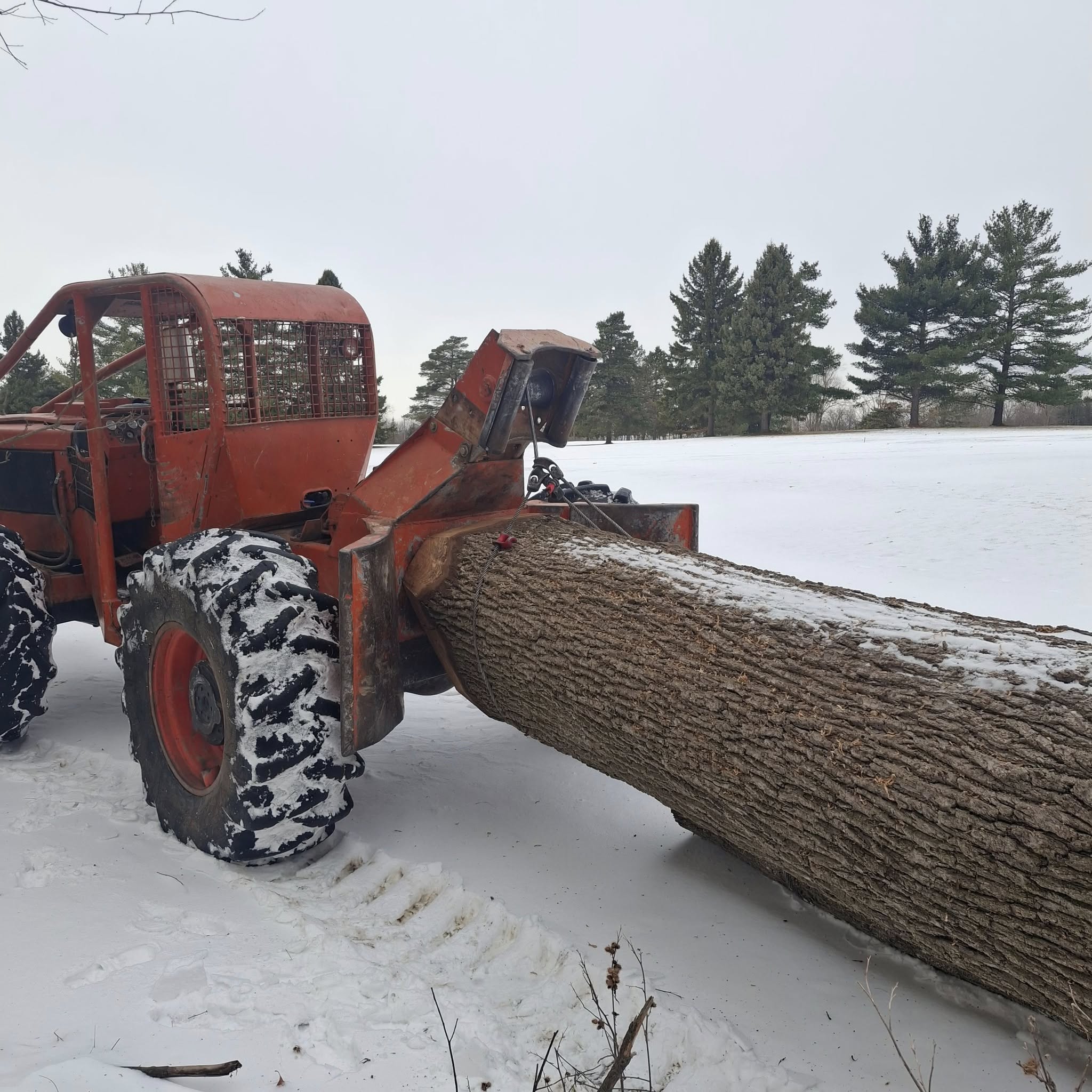
Effective timber management is more than just cutting down trees. It's about nurturing a thriving ecosystem while ensuring a steady supply of timber products. The process begins with a comprehensive evaluation of the forest area, enabling experts to make informed decisions that align with environmental laws and sustainability goals. By replanting trees and overseeing their growth, God's Country Timber Management ensures the continuous renewal of resources. This approach not only sustains the natural habitat but also supports local ecosystems and contributes to carbon sequestration, combating climate change.
In the pursuit of balancing growth and greenery, it's vital to understand the different methods involved in smart timber management. Selective logging is often employed to minimize ecological disruption. This technique involves harvesting only those trees that have reached maturity, which helps maintain forest structure and biodiversity. Retaining younger trees and undergrowth supports wildlife and facilitates natural regeneration, promoting a healthy forest ecosystem.
As awareness grows about the importance of biodiversity, managed forests provide a sanctuary for wildlife, offering cover and sustenance for various species. Timber management companies like God's Country Timber Management take this into account by creating comprehensive plans that encompass both timber production and habitat conservation. This dual approach ensures that wildlife populations thrive while the forest continues to contribute economically and ecologically.
Engagement with local communities is another pivotal part of sustainable timber management. By working closely with local governments, landowners, and residents, God's Country Timber Management fosters cooperative relationships that support economic stability and environmental health. Educating communities about sustainable practices encourages them to take active roles in conservation efforts, thus amplifying the environmental impact.
Another advantage of smart timber management lies in the use of advanced technologies such as GIS (Geographic Information Systems) and remote sensing. These tools allow professionals to monitor forests accurately, track tree growth, and assess ecological health efficiently. With smart data, companies make strategic decisions about harvesting and reforestation that support both short-term profitability and long-term sustainability.
Timber management is not only about meeting today's demands but also about securing resources for future generations. Sustainable strategies include reducing waste through recycling and reusing timber materials, thereby decreasing the need for raw resource extraction. Initiatives like these guarantee that timber remains a viable industry far into the future without depleting natural resources.
In conclusion, balancing growth with greenery through smart timber management is essential for a sustainable future. Companies like God's Country Timber Management exemplify how industries can prosper economically while being stewards of the environment. Through the strategic application of sustainable practices, advanced technology, and community involvement, they maintain a harmonious relationship between commercial growth and ecological health. By supporting such initiatives, customers of God's Country Timber Management not only contribute to their own prosperity but also to the preservation and enhancement of our planet's vital forest resources.
/filters:no_upscale()/filters:format(webp)/media/12fc283b-f6ad-47df-976e-8d485a2d4d77.jpg)