Adapting Timber Management Strategies to Climate Change Feb 04, 2026
Climate change poses significant challenges to forestry, with rising temperatures, shifting precipitation patterns, and increased frequency of extreme weather events. These changes threaten forest health, potentially leading to increased pest outbreaks, disease prevalence, and wildfire risk. For God's Country Timber Management, developing adaptive strategies is essential to maintain forest resilience and productivity.
One critical strategy involves diversifying tree species. A diversified forest is more resilient to climate change impacts, as it reduces vulnerability to specific pests and diseases that may thrive in a changing climate. By planting a mix of species that are well-suited to projected future climates, God's Country Timber Management can ensure forests remain healthy and productive.
Another essential aspect is monitoring and data collection. Regular monitoring provides vital insights into how climate change affects forests and helps in making informed management decisions. By leveraging technology such as remote sensing and Geographic Information Systems (GIS), God's Country Timber Management can track changes in forest health and adapt their strategies accordingly.
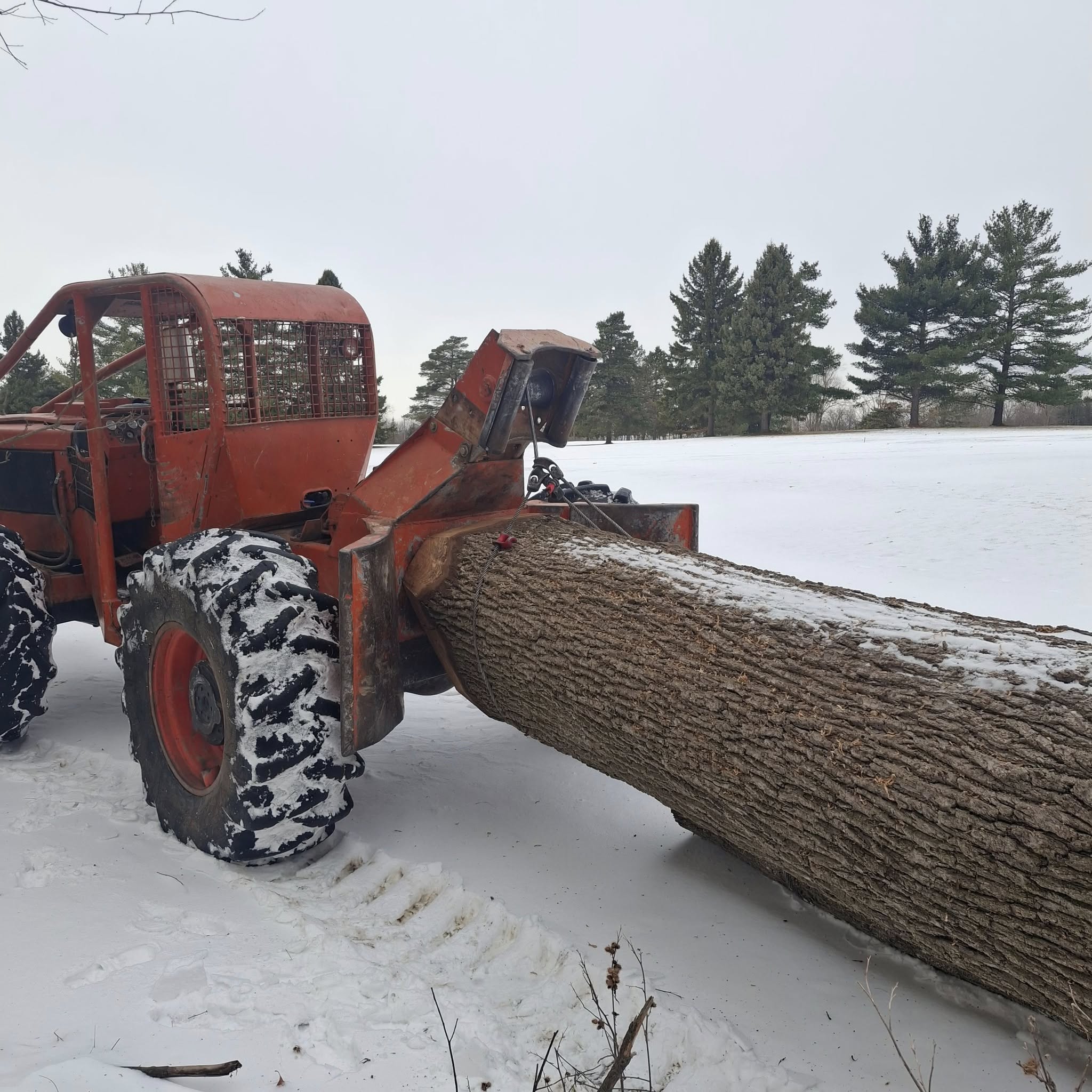
Implementing sustainable harvesting practices is also pivotal. Sustainable timber harvesting ensures that forest growth outpaces removal, maintaining the ecological balance. It involves selective logging, where only certain trees are harvested while leaving others to continue growing, which supports biodiversity and helps maintain carbon storage – a critical factor in combating climate change.
Furthermore, enhancing soil health can significantly impact timber management strategies. Healthy soil is crucial for robust tree growth, which in turn supports timber production. Practices such as minimizing soil compaction and integrating organic matter help maintain soil fertility, promoting healthy forest ecosystems.
Promoting and maintaining biodiversity is another integral part of adapting to climate change. Biodiversity enhances forest resilience against environmental stressors. By conserving natural habitats and promoting a variety of species, God's Country Timber Management can create ecosystems that are more adaptable to climate fluctuations.
Collaboration plays a vital role in effective timber management. Working with researchers, local communities, and other stakeholders allows for the exchange of knowledge and resources, promoting innovative solutions to climate-related challenges. By establishing partnerships, God's Country Timber Management can leverage shared expertise to enhance their adaptive strategies.
Public education and engagement are also crucial in this adaptive process. Raising awareness about the importance of sustainable timber management in the face of climate change can foster community support and involvement. Educating stakeholders ensures they understand the value of preserving forest ecosystems and encourages practices that contribute to forest health.
In conclusion, adapting timber management strategies to address climate change is imperative for companies like God's Country Timber Management. By embracing diversified species planting, sustainable harvesting practices, and advanced monitoring techniques, they can safeguard forest ecosystems against the threats posed by climate change. Collaboration and community engagement further enhance these efforts, enabling the development of innovative solutions that ensure forests continue to thrive. As stewards of these vital natural resources, God's Country Timber Management demonstrates that with proactive strategies, it is possible to sustain timber productivity while preserving our planet's health for future generations.
/filters:no_upscale()/filters:format(webp)/media/12fc283b-f6ad-47df-976e-8d485a2d4d77.jpg)